Property management · Multi-unit rentals
Tenant.ca manages houses with a rented basement or second unit, duplexes, triplexes, small apartment buildings and portfolios of units across several buildings. Each tenancy has its own lease, rent record and tenant portal, and you see every unit, payment, repair and payout in one owner portal. You stay the landlord.
60-day trial periodThe first 60 days of your management agreement are a trial period, so you can see how we work before you settle in. Ask us how it works before you sign.
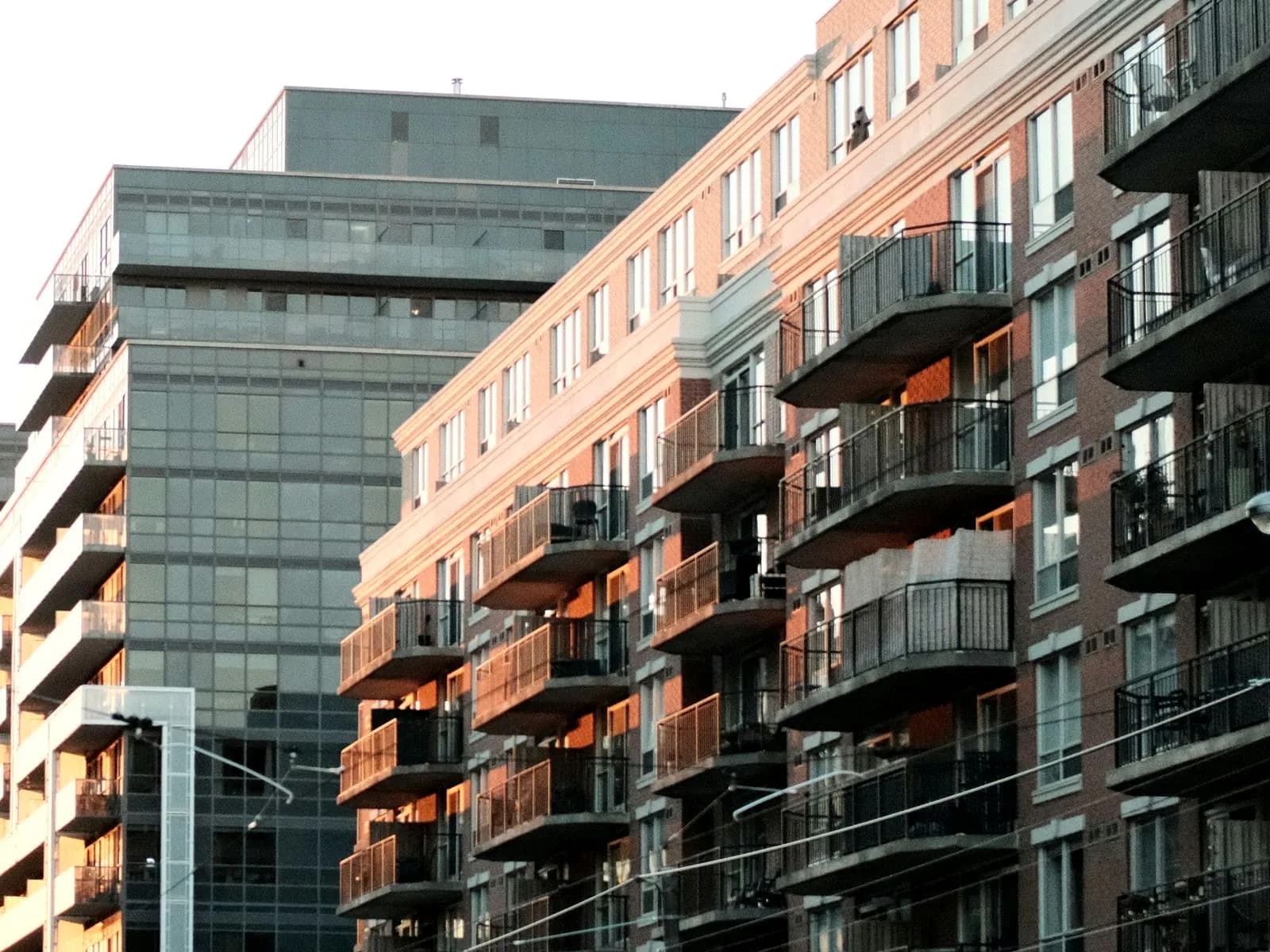
Renting out more than one unit
A house with a basement apartment, a triplex or a small walk-up is several tenancies sharing one building. Each tenant has their own lease, rent and requests, but they share the heating, the water, the laundry, the yard and the walls between them, and a decision about one unit often affects the others.
Tenant.ca keeps each tenancy separate and the building in view: rent tracked unit by unit, repairs recorded against the unit or the building, notices sent to every tenant who needs them, and one owner portal for the whole property.
What we take on
One building, several tenancies: the parts we keep organized for you.
Each unit has its own Ontario standard lease, rent, deposit and dates. Shared arrangements, such as how utilities are split, laundry, parking, storage and the yard, belong in each lease so every tenant has the same rules in writing.
Your owner portal lists every unit you hold with its tenant, rent, amount received and status, with a receipt for each payment. Rent is paid out to you after the management fee and HST, with a payout statement each time.
A water shut-off, a pest treatment or contractor access affects several units at once. Notices go to each affected tenant by email or text, with a record of where each one was delivered.
One boiler, one roof, one water line: a problem in a shared system reaches every tenant at once. Repairs are recorded against the unit or the building, each estimate waits for your approval, and an emergency is dealt with first.
Property expenses are listed in your owner portal and export to an Excel workbook with totals by building and month, ready for your bookkeeper or accountant.
When a property has more than one owner, each owner is on record and every co-owner is named as a landlord on the lease.
Included in every management plan
The rules
Read at the source on October 10, 2026. This is general information, not legal advice for your property.
To enter a tenant's unit for a repair or work in the unit, or for most inspections, the Residential Tenancies Act requires written notice at least 24 hours ahead. The notice states the reason, the day and a time between 8 a.m. and 8 p.m. When work affects several units, each affected tenant needs their own notice.
Most residential tenancy agreements signed on or after April 30, 2018 must use Ontario's standard lease. Terms specific to your property go in its additional terms section, and a term that conflicts with the Residential Tenancies Act does not apply.
A basement apartment or other second unit has to meet the Ontario Building Code and the Ontario Fire Code, and some municipalities also require second units to be registered. Confirm the unit's status with your municipality before renting it out.
Service area
Property management covers Toronto and the GTA and twelve more Ontario communities; tenant placement is available across Ontario. Coverage is confirmed for each property before work starts.
Also managing elsewhere in Ontario
Property management by property type
Common questions
Multi-unit properties are quoted for the property, based on the number of units, whether they are occupied and what you want handled. For comparison, a single condo or apartment unit starts at $98 a month plus HST and a house at $148 a month plus HST. Finding a tenant for a vacant unit is one month's rent plus HST. The fee is confirmed in writing before work starts.
Yes. The upper and lower units are separate tenancies, each with its own lease and rent. The leases should say how utilities, laundry, parking and the yard are shared, and the basement unit has to meet building and fire code requirements before it is rented.
Yes. Share the current leases, the rent roll, any arrears and the open maintenance requests. The team confirms the scope and fee, and each tenant is told in writing who to contact and how to request repairs from the handover date.
Yes. A portfolio of condo units, houses or small buildings across Toronto, the GTA and the other Ontario communities we serve can be managed together, with one owner portal and statements that cover every unit you hold.

Property management · Multi-unit rentals
Share the address, the property type, whether a tenant is in place and when you need support. A team member confirms coverage, walks you through the fee and outlines the next steps. No account needed.