Managing your rental
Renting to students in Ontario: when the RTA applies, one lease or one per room, guarantors, deposits, summer sublets and city rental licences.
 By the Tenant.ca teamUpdated 7 min read
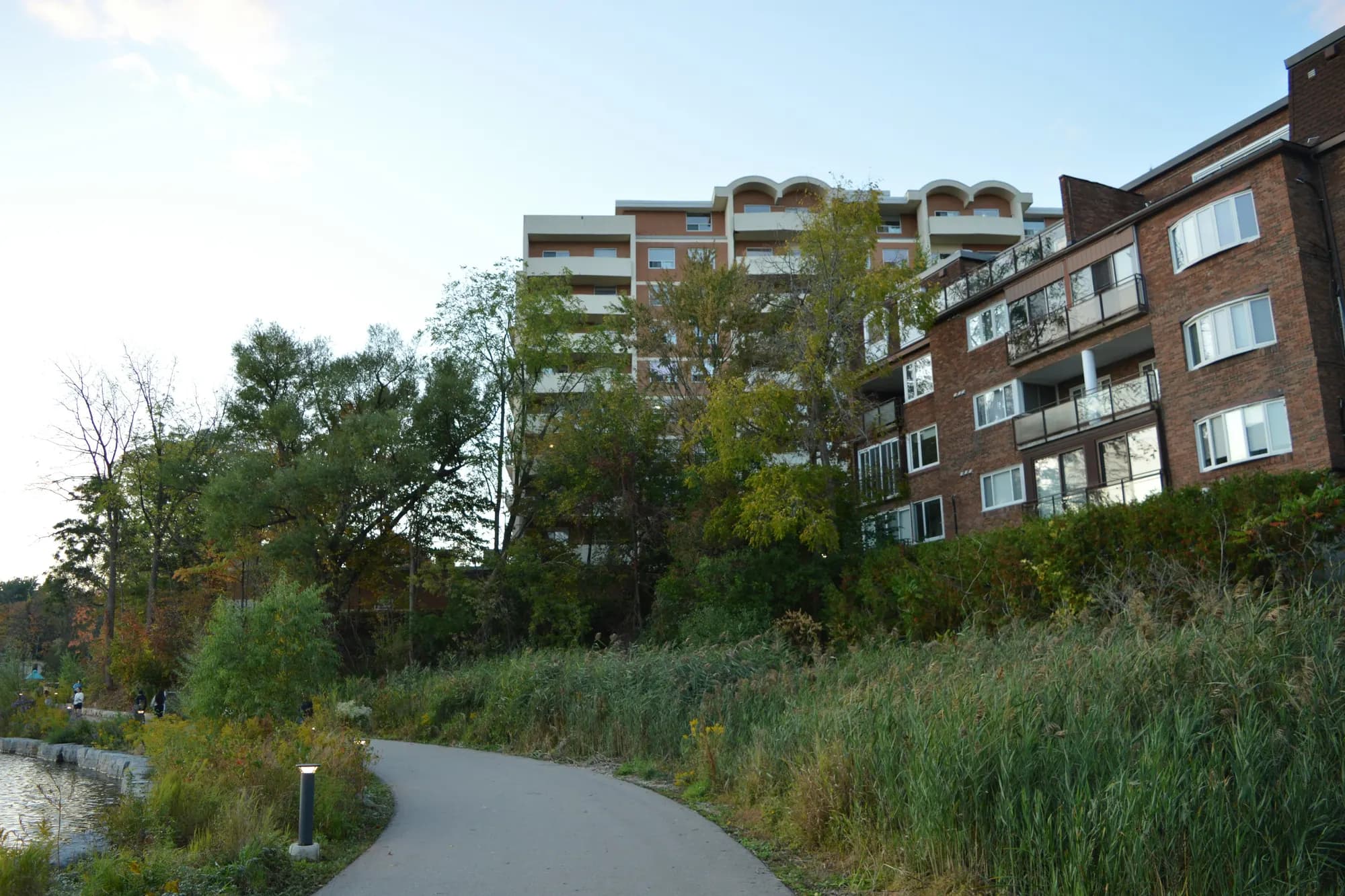
Renting a condo, a house or its rooms to students is covered by the Residential Tenancies Act the same way as renting to anyone else: the standard lease, the limits on deposits, the rent increase rules and the notice rules all apply. Section 5 of the Act lists the living arrangements it does not cover, and two of them come up around colleges and universities.
Clause 5 (g) exempts living accommodation that an educational institution provides to its students or staff, but only where it is provided mainly to people under the age of majority or its major questions are decided after consulting a council or association of its residents, and it either lacks its own self-contained bathroom and kitchen or is not meant for year-round occupancy. Clause 5 (i) exempts accommodation whose occupants must share a bathroom or kitchen with the owner, or the owner's spouse, child or parent, where that person lives in the building. If you do not live in the house, clause 5 (i) does not apply when you rent out its rooms.
With one lease for the whole unit, every student signs as a tenant. The province's guide to the standard lease says that when there is more than one tenant, each tenant is responsible for all tenant obligations, including the full amount of rent, so the group shares the risk of one student falling behind.
With a lease for each room, each student has a separate tenancy, with its own rent, deposit and dates, and an empty room is yours to fill. In Toronto, a premises with four or more rooms lived in by people who do not live together as a single housekeeping unit is a multi-tenant house: the City permits them across Toronto, subject to zoning, and every operator has needed a City licence since March 31, 2024.
Many students have little credit or rental history. Ontario Regulation 290/98 lets a landlord ask for credit references, rental history and a credit check, consider income together with them, and require a guarantee for the rent. The Ontario Human Rights Commission's policy says a landlord may ask for a guarantor only if it has the same requirement for all tenants, not just for people identified by a ground in the Human Rights Code, and the Commission says that having no rental or credit history is not the same as having a bad one.
The only security deposit a landlord may collect is a rent deposit (section 105), asked for on or before entering into the tenancy agreement and no more than one month's rent (section 106). Section 108 says neither a landlord nor a lease can require post-dated cheques or automatic payments for rent; a student or a parent can still choose to pay that way.
A lease that runs from September to April does not end the tenancy on its own. Under section 38, a fixed-term tenancy that ends without being renewed or terminated continues as a monthly tenancy on the same terms, and section 37 allows a tenancy to end only in accordance with the Act. A tenant who wants to leave when the term ends gives written notice at least 60 days before it ends (section 44), or you and the tenant can agree in writing to end it, on the Landlord and Tenant Board's Form N11.
Over the summer, a student may want to sublet. Section 97 lets a tenant sublet with the landlord's consent, which the landlord must not arbitrarily or unreasonably withhold, allows a charge only for the landlord's reasonable out-of-pocket expenses, and keeps the tenant responsible to the landlord during the sublet. If a tenant asks to assign the lease and you refuse any assignment, or do not answer within seven days, the tenant may give notice to end the tenancy within 30 days of the request (section 95).
Several cities with large student populations license smaller rentals. This is what each City's own page said when we read it in October 2026:
Elsewhere, check the City's by-laws before you advertise. Our licensing guide covers the other cities on our pages, and each city page links the City's own rules.
Besides Toronto and the GTA, Tenant.ca manages rentals in these communities with college or university campuses. Each city page has local rents, vacancy and the City's rules:
If your tenants change with the school year, tenant placement is one month's rent plus HST, charged once, and covers pricing, marketing, showings, screening and the lease. Management is $98 per month plus HST for a condo or apartment and from $148 per month plus HST for a house, and the first 60 days of the agreement are a trial period.
This page is general information, not legal advice. It reflects the Residential Tenancies Act, O. Reg. 290/98 and the Ontario Human Rights Commission's policy as checked on October 24, 2026. If a tenancy is already in dispute, speak to a lawyer or licensed paralegal.