Managing your rental
Renting out a house in Ontario: the standard lease, utilities and heat, repairs, smoke and CO alarms, city rental licences, and what managing a house costs.
 By the Tenant.ca teamUpdated 4 min read
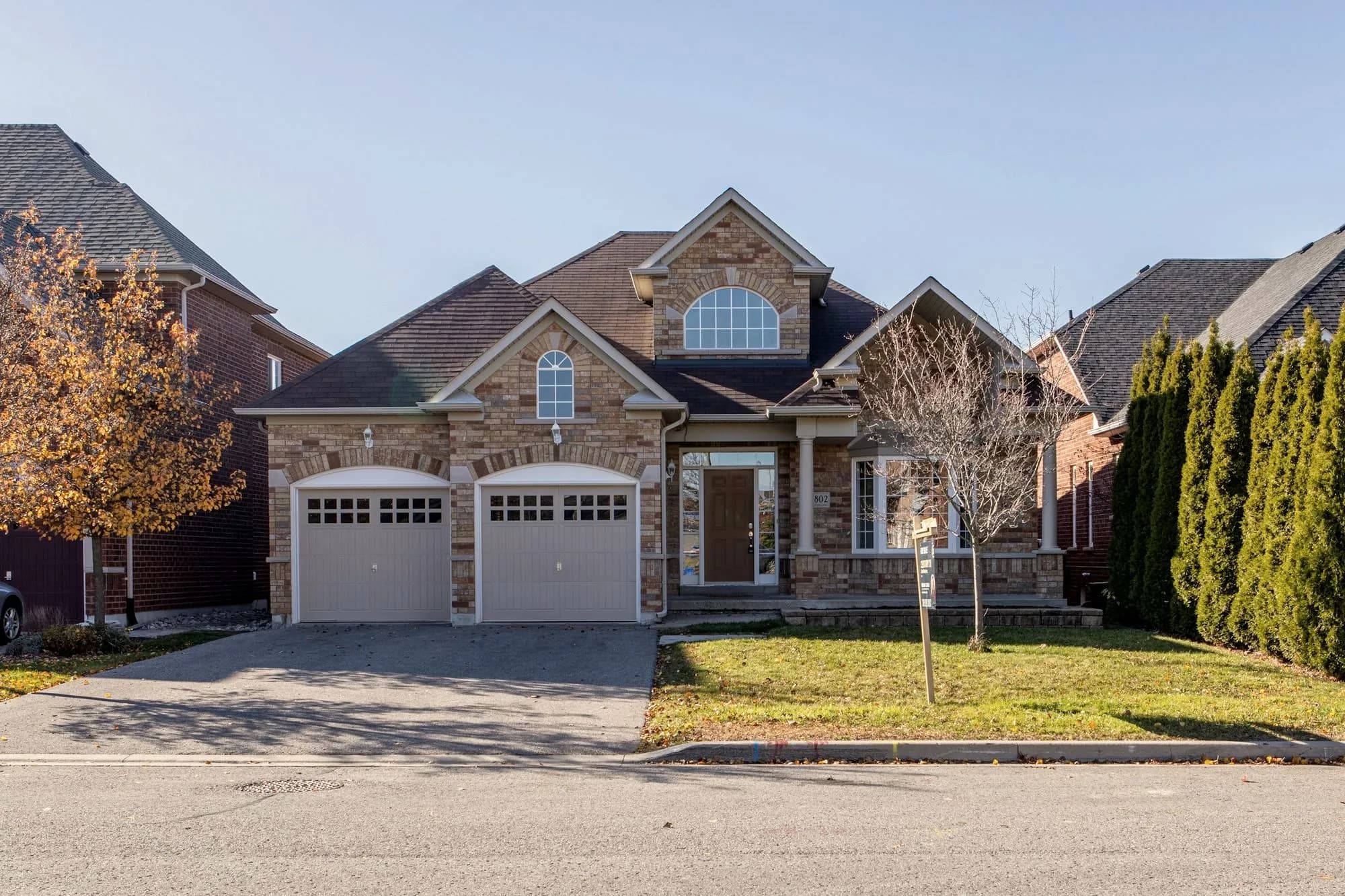
The province requires its standard form of lease for most residential tenancies, a rented house included, and its guide explains each section. For a house, the parts that need the most care are who pays which utilities, who looks after the outside, and any additional terms, which the standard lease says cannot take away a right or responsibility under the Residential Tenancies Act.
Settle these before you advertise, so the listing and the lease say the same thing:
Section 21 of the Residential Tenancies Act stops a landlord from withholding the reasonable supply of a vital service, such as heat, electricity, fuel, gas or hot and cold water, that it is the landlord's obligation to supply. When the landlord supplies the heat, Ontario Regulation 516/06 sets a minimum of 20°C from September 1 to June 15.
In Toronto the City asks more: when the landlord pays for heat, rented units must be kept at 21°C or more from October 1 to May 15. If the tenant will pay for heat in their own name, say so in the lease's utilities section.
Section 20 makes the landlord responsible for keeping the house in a good state of repair and fit for habitation, and for complying with health, safety, housing and maintenance standards, even if the tenant knew about a problem before moving in. That covers the appliances the lease provides. Your municipality's property standards by-law applies on top of the Act.
Section 34 makes the tenant responsible for repairing undue damage caused wilfully or negligently by the tenant, another occupant or someone the tenant lets in. Other repairs stay with you under section 20.
The province's fire safety page says every home in Ontario must have a working smoke alarm on every storey and outside all sleeping areas, and that it is the landlord's responsibility to make sure a rental property complies.
Carbon monoxide alarms are required in a home with a fuel-burning appliance, a fireplace or an attached garage, and since January 1, 2026 on every storey of a house, including storeys without bedrooms. The province says landlords must install and maintain the alarms, test them every year and when the battery is replaced, and give the tenant the alarm's maintenance instructions.
Several Ontario cities licence rented houses. As each City's own page read on October 19, 2026: Brampton requires a Residential Rental Licence for properties with one to four rental units, citywide since January 1, 2026; Hamilton's Rental Housing Licensing program covers detached homes, townhouses and smaller buildings in Wards 1, 8 and parts of Ward 14; Waterloo requires a long-term rental licence for most units rented for more than 30 days; and Oshawa licenses rental properties in its licensing area around Durham College and Ontario Tech University.
Each of these city pages links the City's own rules, so check the one for your house before you advertise.
Tell your home insurer that the house will be rented, and check what your mortgage says about renting it: a policy written for an owner who lives in the home may not fit a tenancy.
Walk through the house with the tenant on move-in day and keep dated photos of every room, the appliances and the outside. If a dispute over damage ever reaches the Landlord and Tenant Board, a record made at the start is what both sides will rely on.
Management of a house starts at $148 per month plus HST, and we confirm the fee for your house before you sign. When you need a tenant, placement is one month's rent plus HST, charged once. Your owner portal shows each rent payment and repair, and the first 60 days of the agreement are a trial period.
This page is general information, not legal, tax or financial advice. It reflects the Residential Tenancies Act and the province's pages as checked on October 22, 2026. If a tenancy is already in dispute, speak to a lawyer or licensed paralegal.